About
About Welt & Edge
Three people in Montana and Idaho who repair things for a living, keeping a written record of what outdoor gear actually costs once you stop replacing it.
None of us are journalists. We came to writing from workbenches: a resole shop, a warranty repair depot, and a sharpening route. Between us we have handled other people’s failed gear for roughly fifty years, which turns out to be a decent qualification for saying which things are worth buying twice.
Origin
Where Did the Log Come From?
From a question Lowell could not answer. A customer asked which boots were worth rebuilding, and after 27 years of rebuilding boots he had no numbers to give her.
He had opinions. Everyone in the trade has opinions. What he did not have was a single written record of what a rebuild had cost, how long the rebuilt pair then lasted, or how that compared to buying new. The knowledge lived in his hands and nowhere else, which meant it died with the job.
So in the spring of 2016 he started a paper ledger for his own gear. One line per item, updated at the end of every season. Marisol joined in 2019 after reading a printout of it and pointing out that his ledger had no textiles in it. Ezra came in 2021 with a caliper and an argument about how much steel sharpening really removes.
I could tell you a good boot from across the shop. I could not tell you whether the good boot was worth 300 dollars more, and that is the only question the customer was actually asking.
Lowell Trask, on why the ledger started
Ten years of entries
The Log, Year by Year
The log has been running long enough that its early entries have outlived the products they describe. That is the point of it.
2016
Lowell opens a paper ledger for his own gear. First entry is a pair of stitchdown work boots bought the following spring for 470 dollars, still in service today.
2019
Marisol joins and brings the textile side: shells, insulation, waxed cotton. The ledger stops being a boot ledger.
2021
Ezra starts measuring blades with a caliper before and after every reprofile. The first hard number appears: roughly 0.2 mm of blade width per full reprofile.
2023
A synthetic insulated jacket delaminates at both shoulders after two seasons. No shop will take it. It becomes the first entry closed as unrepairable, and the most useful line in the log.
2024
Cost per season becomes the standard column. Every earlier entry is recalculated back to its purchase date.
2026
The ledger goes online as Welt & Edge. Nothing in it was written for the web, which is why some of it reads like a repair invoice.
The people keeping the notebook
Who Keeps the Records?
Three of us, each covering the material we spent our working lives repairing. Nobody writes outside their bench.
Lowell Trask
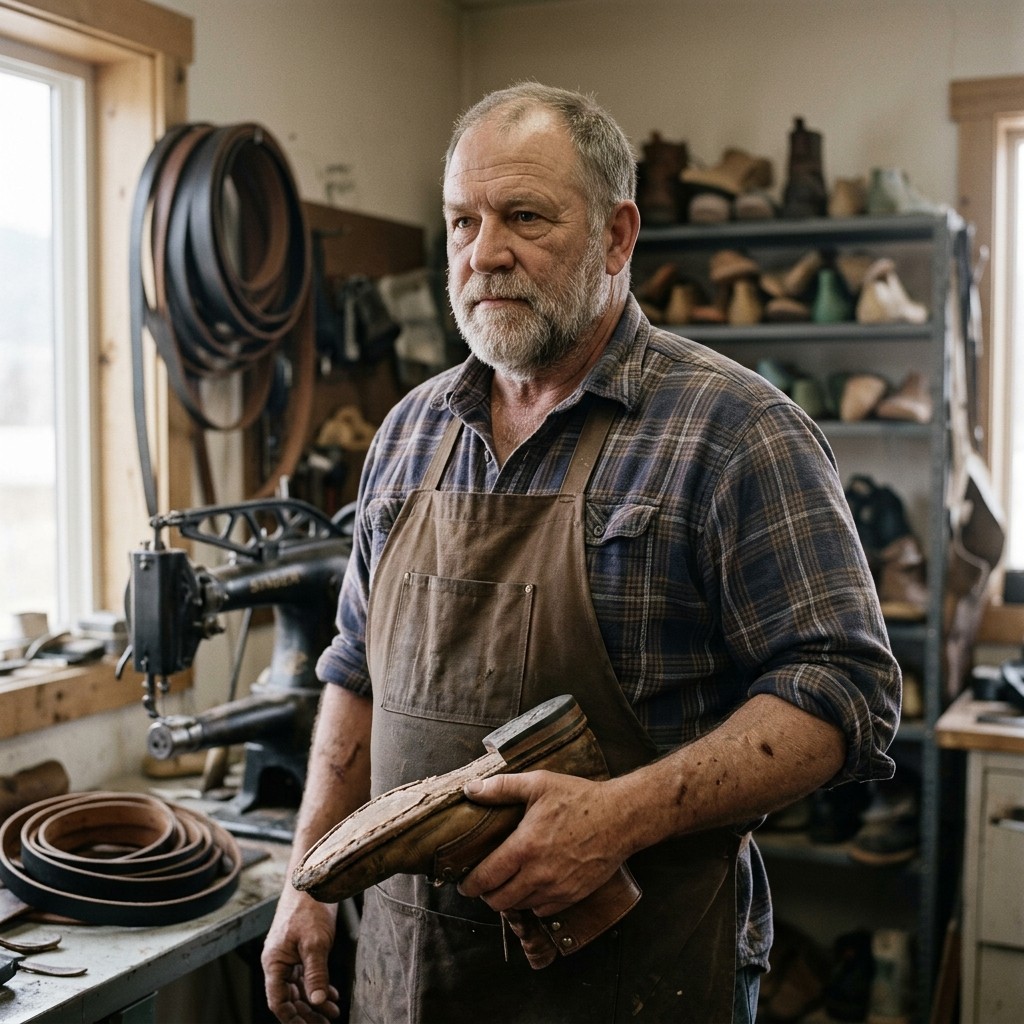
Ran a resole shop in Missoula for 27 years, most of it for wildland fire crews and loggers who came back every spring with the same pair. Started the log in 2016. Rebuilt his own boots eleven times and still argues that the eleventh was one too many.
Keeps track of: welt condition, resole cost against replacement cost, how many rebuilds a stitching platform will take
Marisol Quintanar
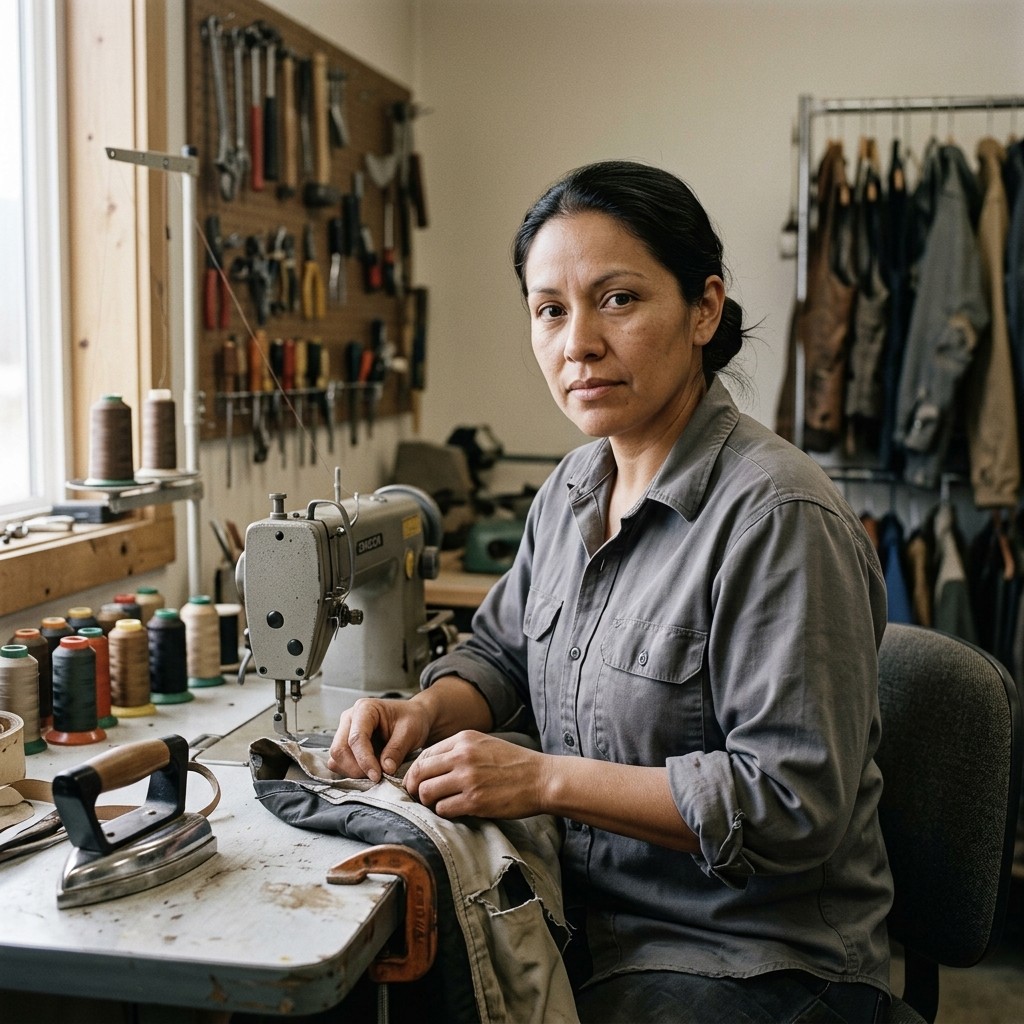
Twelve years at a warranty repair depot in Bozeman, working through zippers, seam tape, membranes and down. Saw the same three failures arrive week after week and started writing down which manufacturers quietly stopped fixing them.
Keeps track of: where fabric fails first, whether a repair path exists, how many rewaxes a cotton shell will accept
Ezra Hollins
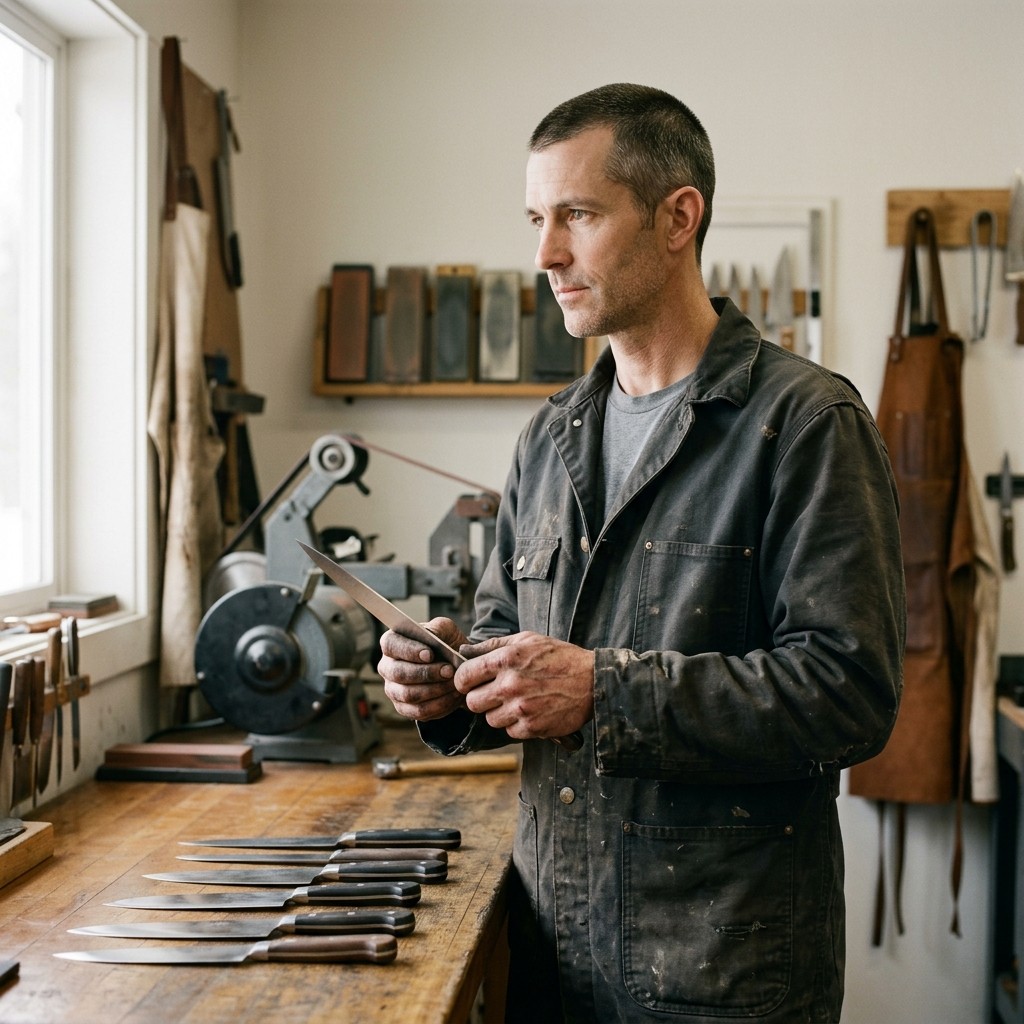
Trained as a farrier, then spent fourteen years running a mobile sharpening route for butchers and outfitters across northern Idaho. Measures blade width with a caliper before and after every reprofile, which is how we know what a season of sharpening actually costs a knife.
Keeps track of: steel loss per reprofile, edge angle against the work, what a rehandle costs and what it returns
Editorial standard
How Do We Decide What Goes In?
An item earns an entry by surviving a process, not by arriving in a box. Three conditions, in order.
- We bought it ourselves, at retail, with our own money. Nothing enters the log as a sample.
- It has been through at least one full season of the work it was built for. A coat needs a winter, a knife needs a season of processing, boots need a summer of walking.
- Something has been repaired, or a repair has been refused. Until one of those happens there is nothing to report that a product page cannot tell you.
We pay retail
Every item in the log was bought at full price by one of us. No samples, no loans, no press units. It costs us money and it is the only way the cost per season column means anything.
Numbers before adjectives
An entry that cannot produce a figure does not get published. Seasons used, dollars spent, millimetres lost. Adjectives are what you write when you did not measure.
Failures get the same space
The gear that let us down is documented as carefully as the gear that lasted, including the pieces we recommended to friends before they failed.
We name the trade-off
Repairable gear is heavier, slower to arrive and dearer up front. We say so in every entry rather than pretending the choice is free.
Limits
What We Will Not Do
Some things sit outside what three repair people can honestly claim to know. We would rather say so here than have you find out halfway down an entry.
- We do not run lab tests. No abrasion machines, no hydrostatic head, no salt spray cabinet. Our numbers come from use and from invoices, and they carry the noise that comes with that.
- We do not review gear we have owned for under a season. If it arrived this year, it is not in the log yet.
- We do not rank brands. We write about construction, because a maker can change a supplier between two production runs and a ranking goes stale the day it publishes.
- We do not value collections or appraise anything. People email asking what a knife is worth. We genuinely do not know.
- We do not give safety advice. Nothing here is instruction for work where a failure hurts somebody.
The connection
Why Does a Site About Repairs Keep Writing About Knives?
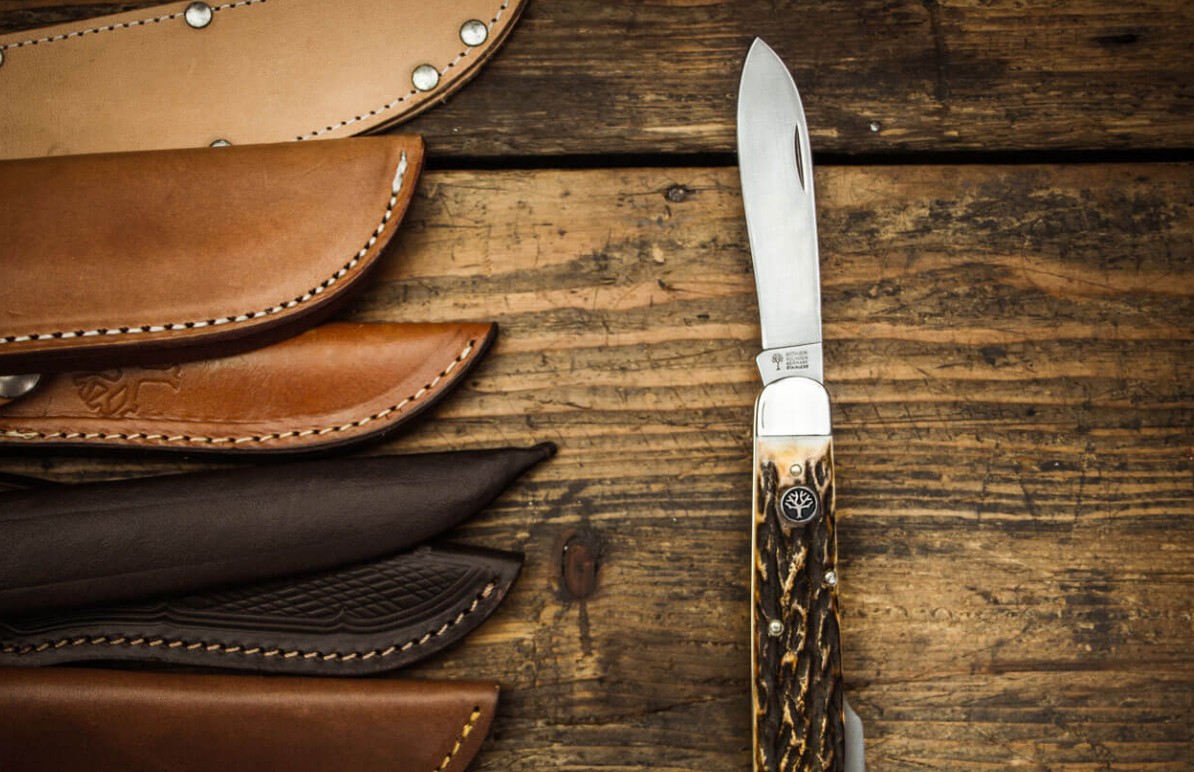
Because a knife is the smallest object where the whole argument is visible. Everything that makes gear repairable or disposable shows up in one hand-sized piece of steel.
A boot takes an hour to explain. You have to talk about the welt, the insole, the stitching platform, the difference between an outsole swap and a rebuild. A knife takes one sentence: either the handle comes off and the blade can be reground, or it does not.
The same trade sits behind both. A resole shop and a one-person knife shop are the same kind of business, working to the same logic: small runs, work done to a spec, and a maker who expects to see the object again in ten years. That is why the people who make knives one at a time keep turning up in a log about boots and coats. They are solving the same problem with different material.
It also runs the other way. Learning that a full reprofile costs a blade about 0.2 mm changed how we think about resoling, because both are the same question: how many times can you take material off something before there is nothing left to take it off.
By the numbers
Ten Years, Counted
10 years
of continuous records, starting from a paper ledger in 2016
61 items
tracked from purchase to retirement or to today
$4,180
spent on repairs, every invoice kept
9 items
closed as unrepairable, and written up anyway
Something in the Log You Want to Argue With?
Corrections are welcome and get published. If you have kept your own numbers on something we cover, we would rather see them than not.