Off-season service
End of Season Reel Service: What to Do and What to Leave Alone
Rinse, dry, back the drag off and put one drop of oil where the handle turns. Almost everything else people do to a reel in October does more harm than good.
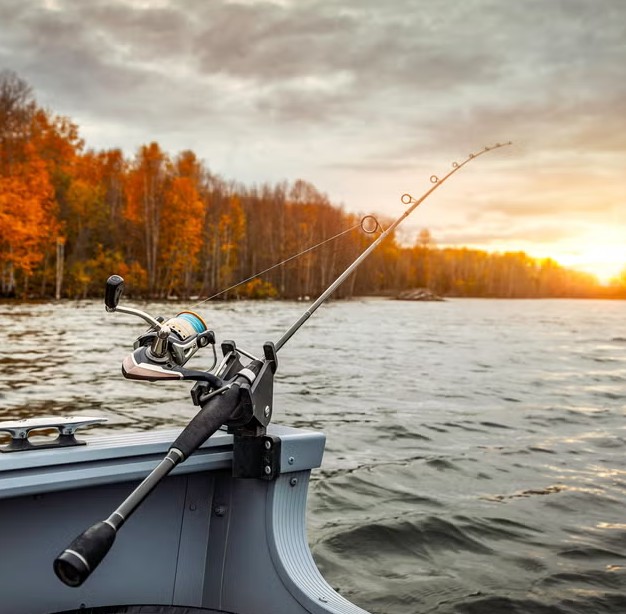
What Actually Kills a Reel?
Salt, grit and a drag left tight over winter. Not use, and not age. A reel that is rinsed and slackened will outlive the person who bought it.
I want to be straight about what this entry is. I am not a tackle specialist. I sharpen knives for a living and I own one spinning reel that has been in the log since 2017. What follows is what nine seasons of records on that one reel say, plus what the people on my sharpening route who fish for a living do to theirs. It is not a survey and I am not going to pretend it is.
What the records do show clearly is that the failures are not mechanical wear. They are corrosion where salt sat, grinding where grit got into a bearing, and a drag washer that took a permanent set because the knob was left wound down from October to April.
The Four Things Worth Doing
Ten minutes at the end of the season, and they cover the three failure modes above.
- Rinse with cool fresh water, low pressure, reel held so water runs off rather than into the body. Never a hose jet and never hot water.
- Dry it fully at room temperature with the bail open, then wipe the exterior down with a barely oiled cloth.
- Back the drag right off. This is the single highest value action on the list and it costs nothing.
- One drop of oil on the handle knob bearing and the line roller. Two drops is not better.
What Should You Leave Alone?
The inside. A modern reel is greased at the factory for a service life measured in years, and most home strip downs make things worse.
- Do not open the body. Unless something is actually grinding, you are introducing dirt and removing grease that was doing its job.
- Do not soak or submerge it. A rinse runs water off. A soak carries salt inward past seals.
- Do not over oil. Excess oil migrates onto the drag washers, and an oiled drag is an unpredictable drag.
- Do not store line under tension. Braid is fine, monofilament takes a set on the spool and comes off in coils next spring.
Expert note from Marisol Quintanar, textiles and waterproofing
Everything Ezra is describing is the same argument I make about washing technical fabric. The urge to do a thorough job is the enemy. A gentle rinse and a slow dry preserves the thing. A hot wash with a strong detergent because it looks dirty is what strips the treatment out and ends its life early. Restraint is the maintenance.
One Reel, Nine Seasons
Bought in 2017 for 130 dollars. One service paid for, one part replaced, still running.
| Year | What happened | Cost | Running total |
|---|---|---|---|
| 2017 | Bought new | $130 | $130 |
| 2020 | Line roller bearing seized after a gritty season | $14 part | $144 |
| 2023 | Paid strip and regrease, out of curiosity | $55 | $199 |
| 2026 | Ninth season, nothing done since | $199 |
The 2023 service is the interesting line. I paid for it to find out whether nine seasons of rinsing and slackening had actually been enough. The shop told me the grease was fine and the drag washers were within tolerance, and charged me for the strip anyway. That is a useful fifty five dollars: it means the ten minute routine above was doing the job, and I have not opened it since.
Do Rods Need Anything?
Less than reels. Wipe the blank, check the guides for grooving with a cotton bud, and store them horizontally or hanging rather than standing on the butt.
- Wipe the blank down with a damp cloth and dry it. Salt sits in the finish and dulls it.
- Check every guide with a cotton bud. A snag means a grooved ring that will cut line all season.
- Check the reel seat threads for grit, and rinse rather than force them.
- Store horizontally or hanging, never standing on the butt, which sets a curve into the tip section over a winter.
The cotton bud test is worth knowing: run one around the inside of each guide and see if it snags. A grooved guide ring will cut line all season and the fix is a few dollars of thread and a guide, or a shop visit for less than the cost of a spool of braid. It is the closest thing in tackle to a resole, in the sense that it is a small part failing on an object that is otherwise fine.
The Same Pattern as Everything Else Here
Consumables are cheap, structure is not, and most maintenance is about protecting the second by servicing the first.
A drag washer, a line roller bearing and a guide ring are the reel and rod equivalent of an outsole, a heel block and a knife edge. Small, replaceable, and cheap if you catch them. The body of the reel and the blank of the rod are structure, and once those go the object is done.
Expert note from Lowell Trask, editor, boots and leather
Slow drying, away from heat, is the same instruction I give about boots and it is the one nobody follows. People want the thing dry now, so they put it near something warm, and the warmth is what does the damage. Whether it is felt, leather or the grease inside a reel, you are cooking the part that was doing the work. Two days at room temperature costs you nothing but patience.
The same logic across boots, blades and textiles is on the pillar guide to what can be repaired and when to stop, and what happens when you price it all out over a decade is in what buying once actually costs over ten years.